

Why one messaging engine beats five separate tools
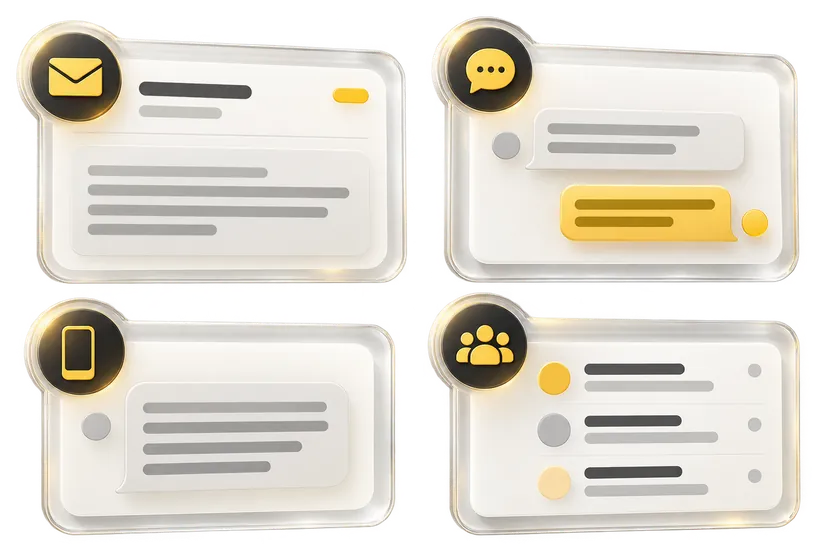
When every channel has its own tool, every journey has five owners. Here is what changes when they share one engine.
Most teams do not choose to have five messaging tools. They add an email platform, then an SMS provider for reminders, then a WhatsApp vendor when customers start asking for it. Each tool has its own contacts, its own templates and its own reports.
The cost shows up in the journeys. A welcome sequence that starts in email and follows up on WhatsApp needs two tools to agree on who the customer is and what they have already seen. Usually they do not.
A single engine treats the channel as a property of a step, not the starting point of a project. Contacts, timing, personalization and reporting stay the same, and changing channels becomes a one-line edit.
Keep reading
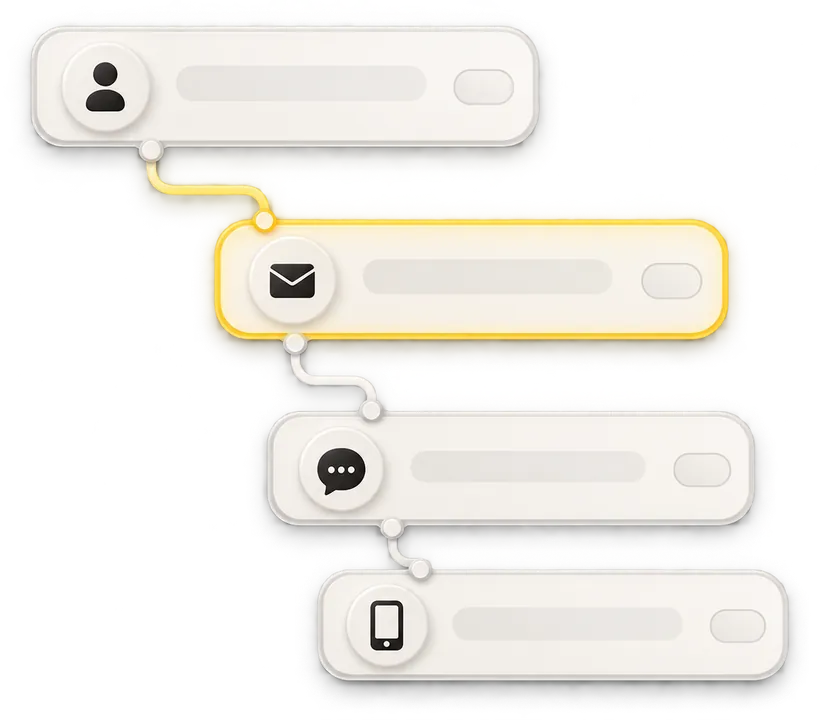
Designing a drip sequence people do not unsubscribe from
Timing, exit conditions and channel choice matter more than copy. A practical checklist for your next sequence.
WhatsApp templates: what gets approved and why
A short guide to template categories, variables and the review mistakes that slow teams down.
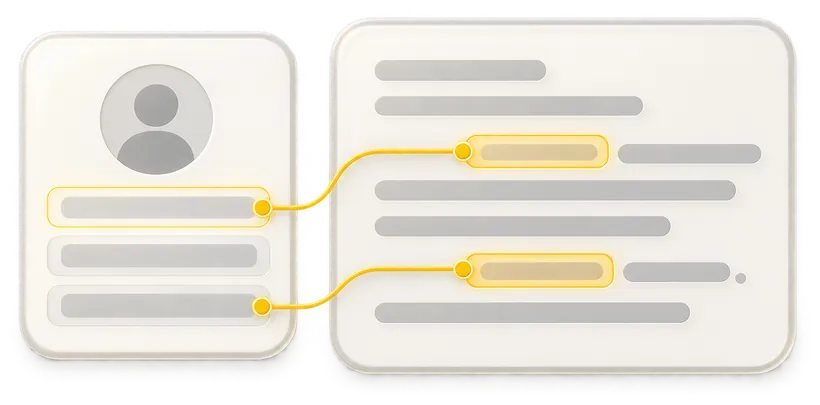
Personalization beyond the first name
Use order data, dates and preferences to write messages that feel written for one person.